
Limit switches play a highly important role in modern elevator safety and control systems by ensuring accurate movement control and preventing unsafe operating conditions. These compact electromechanical devices help elevators operate smoothly, efficiently, and reliably within predefined travel limits. Their contribution supports passenger safety, equipment protection, and overall system stability in both simple and advanced elevator installations.
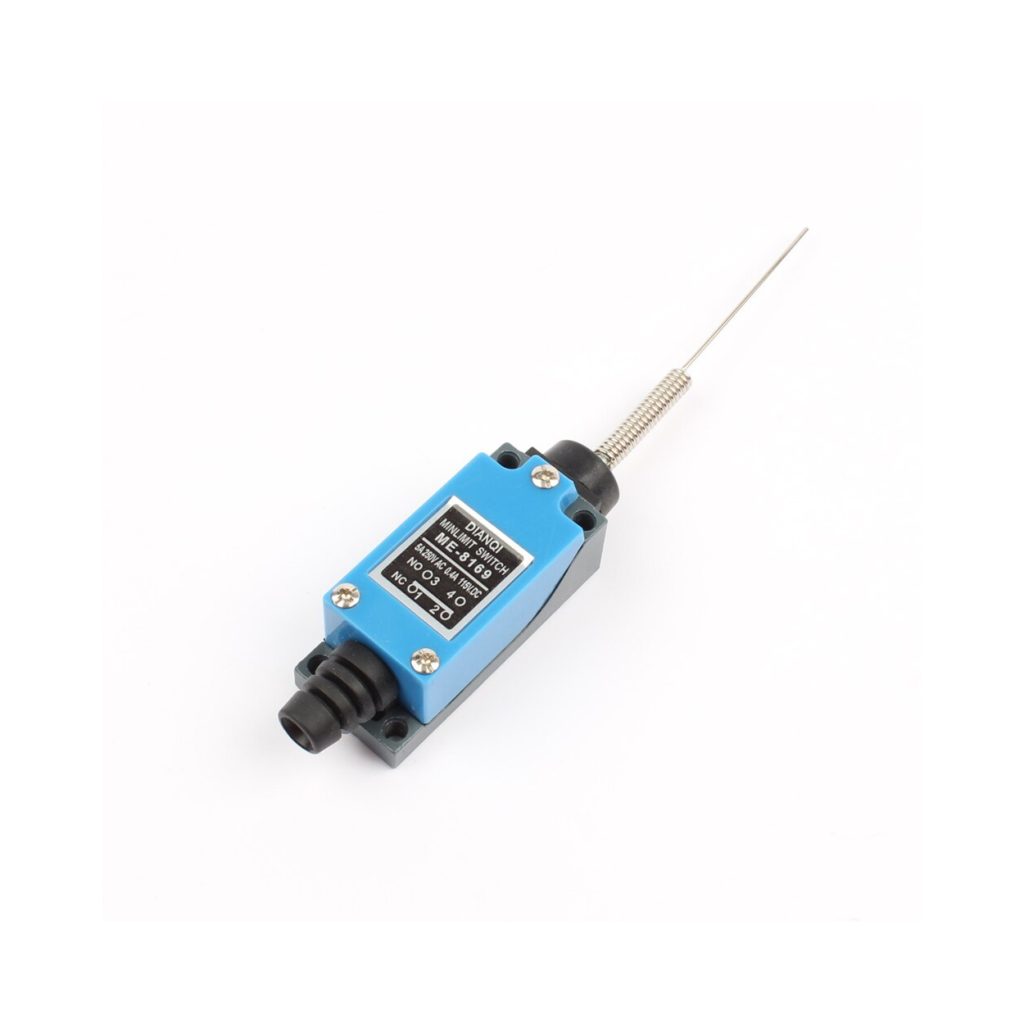
Role of Limit Switches in Elevator Systems
Limit switches are designed to detect the presence or position of moving parts within the elevator system. They act as precise sensing devices that confirm whether the elevator car has reached specific points in its travel path.
Key roles include:
- Detecting upper and lower travel limits of the elevator car
- Preventing over-travel beyond safe boundaries
- Assisting in accurate floor alignment and stopping
- Supporting door control safety mechanisms
- Enhancing coordination between mechanical and electrical systems
Key Safety Functions
Limit switches are essential in maintaining safe elevator operations by acting as protective checkpoints throughout movement cycles. Technical manuals provide limit switch definition describing it as a device that controls movement and ensures safety in machinery.
Important safety functions include:
- Automatically stopping the elevator at end positions
- Preventing mechanical stress on hoisting components
- Reducing risk of collision with shaft extremities
- Supporting emergency safety shutdown responses
- Ensuring controlled deceleration at terminal floors
- Monitoring door interlock conditions for passenger protection
Integration with Control Systems
Modern elevator systems rely on seamless integration between limit switches and electronic control units. This interaction helps maintain precise operational logic and smooth ride quality.
Integration advantages include:
- Real-time feedback to control panels
- Synchronization with motor drive systems
- Improved accuracy in floor leveling
- Enhanced response during speed regulation
- Support for automated diagnostic functions
- Coordination with safety circuit architectures
Benefits of Using Limit Switches
The use of limit switches significantly improves both operational performance and safety assurance in elevator systems.
Key benefits include:
- High reliability in repetitive operations
- Simple yet effective mechanical design
- Cost-efficient safety enhancement
- Reduced system wear and tear
- Improved passenger comfort through smooth stopping
- Strong adaptability to various elevator configurations
- Long service life with proper maintenance
Types and Applications
Limit switches can be applied in multiple forms depending on elevator design requirements and system complexity.
Common application areas include:
- Shaft top and bottom end detection
- Door open and close position sensing
- Emergency stop boundary detection
- Speed regulation checkpoints
- Maintenance inspection mode control
- Load handling and safety interlock systems
Maintenance and Reliability Considerations
Proper care of limit switches ensures consistent performance and long-term system safety. Regular inspection and testing help maintain high operational standards.
Maintenance advantages include:
- Easy inspection due to simple structure
- Minimal calibration requirements
- High resistance to operational vibration
- Predictable performance over time
- Quick replacement when required
- Compatibility with routine safety checks
Additional reliability-focused practices include:
- Periodic cleaning to avoid dust interference
- Checking alignment for accurate triggering
- Verifying electrical connections for stability
- Ensuring secure mounting in high-movement areas
- Monitoring wear for early preventive action
Conclusion
Limit switches are a vital part of elevator safety and control systems, offering dependable position detection and protective control functions. Their integration enhances system precision, operational safety, and passenger confidence. With their simple design and strong reliability, they continue to support efficient elevator performance across a wide range of applications.