
Smart automation continues to transform industrial operations by improving productivity, consistency, and operational efficiency. A major factor behind successful automation systems is the integration of durable pneumatic components. These essential elements provide dependable motion control, support precise processes, and contribute to long-term system performance. When properly integrated, pneumatic solutions help automation systems achieve outstanding reliability and efficiency.
The Importance of Pneumatic Integration in Automation
Durable pneumatic components play a valuable role in supporting automated equipment across various production environments. Their ability to deliver controlled movement and reliable operation makes them a preferred choice for many automated applications.
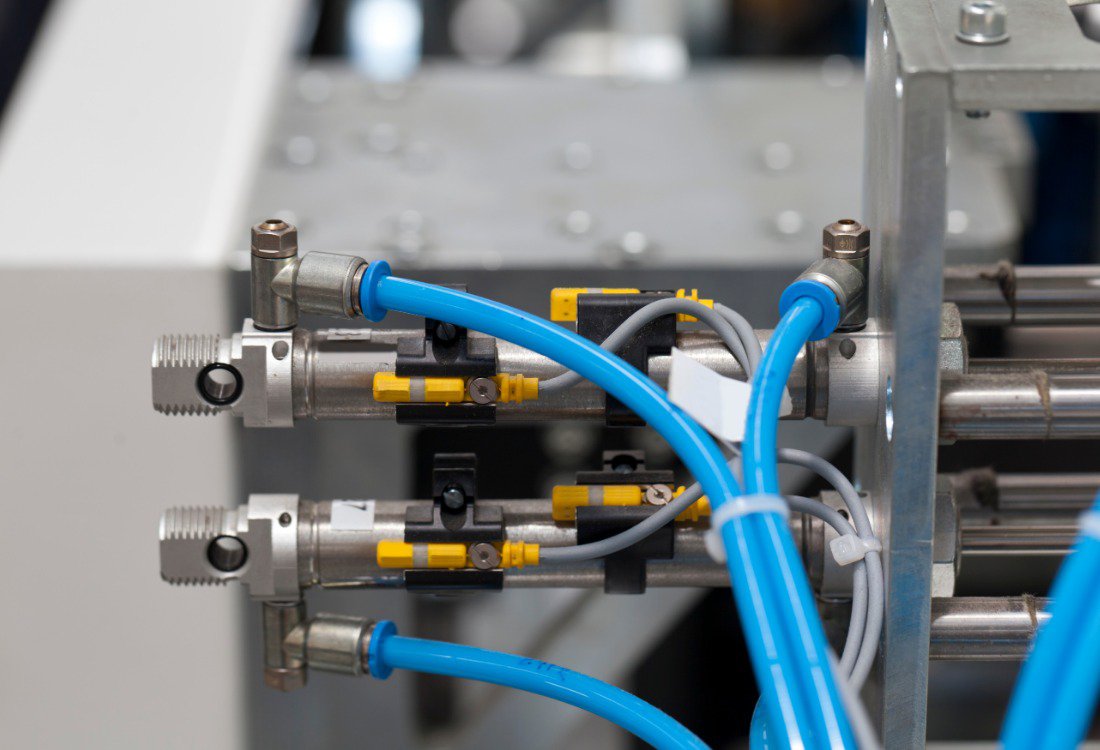
Key Advantages Include
- Consistent and accurate motion control
- Smooth operation during continuous production cycles
- Reduced equipment downtime
- Improved process efficiency
- Enhanced operational reliability
- Long service life
- Simple integration with automation systems
- Reliable performance under demanding conditions
These benefits help organizations maintain productive workflows while supporting quality-focused operations.
Features That Support Smart Automation
Modern pneumatic components are designed to meet the evolving needs of automated systems. Their advanced construction and dependable functionality contribute to better production outcomes.
Important Features
- Durable construction materials
- Efficient air flow management
- Precision control capabilities
- Stable operating performance
- Quick response times
- Low maintenance requirements
- Compact and adaptable designs
- Energy-efficient operation
Such features make pneumatic technology an excellent complement to automation initiatives focused on efficiency and performance.
Enhancing Productivity Through Reliability
Reliable components are essential for maintaining uninterrupted production. Durable pneumatic systems help ensure that automation equipment operates smoothly throughout daily activities.
Productivity Benefits
- Faster production cycles
- Improved equipment utilization
- Consistent product quality
- Reduced maintenance interruptions
- Better workflow coordination
- Increased operational confidence
- Efficient handling of repetitive tasks
- Support for continuous manufacturing objectives
By minimizing unexpected disruptions, pneumatic integration contributes significantly to productivity improvement.
Supporting Long-Term Operational Success
Long-lasting performance is one of the greatest advantages of high-quality pneumatic solutions. Businesses seeking dependable automation often prioritize durable components because of their ability to provide stable performance over extended periods.
Organizations looking to optimize automation efficiency frequently explore advanced pneumatic solutions, and resources such as https://www.hebaiele.com/fr/ can help provide additional information about pneumatic component applications and integration possibilities.
Long-Term Benefits
- Reduced lifecycle costs
- Improved equipment dependability
- Greater operational efficiency
- Enhanced system stability
- Better return on investment
- Strong support for automation growth
- Consistent production performance
- Sustainable operational improvements
Conclusion
Smart automation achieves its full potential when supported by durable pneumatic components. Their reliability, efficiency, precision, and longevity help create highly effective automated systems capable of delivering consistent results. Through proper integration, pneumatic technology strengthens production capabilities, supports operational excellence, and contributes to long-term success across a wide range of industrial applications.