
Successful construction projects depend on careful preparation, effective coordination, and thoughtful management of potential challenges. Professional mitigation planning plays an essential role in creating organized project environments while supporting safety, efficiency, and long-term development goals. By identifying important considerations early and establishing practical management strategies, construction teams can improve project coordination and maintain steady progress. A well-planned mitigation approach also encourages informed decisions, strengthens communication, and contributes to high-quality construction outcomes.
Early Planning Strengthens Construction Project Foundations
Effective mitigation planning begins with understanding project requirements and evaluating the conditions that may influence development activities. Professional assessments help project teams establish suitable priorities, allocate resources efficiently, and create a strong foundation for successful construction.
- Detailed site assessments: Evaluating project conditions helps identify important environmental, structural, and operational considerations.
- Risk identification: Recognizing potential challenges early supports better preparation and informed project decisions.
- Resource planning: Organized allocation of materials, equipment, and personnel encourages efficient construction activities.
- Project coordination: Clear responsibilities help different teams work together toward shared development objectives.
- Regulatory awareness: Understanding applicable requirements supports organized planning and responsible construction practices.
Environmental Mitigation Supports Responsible Development
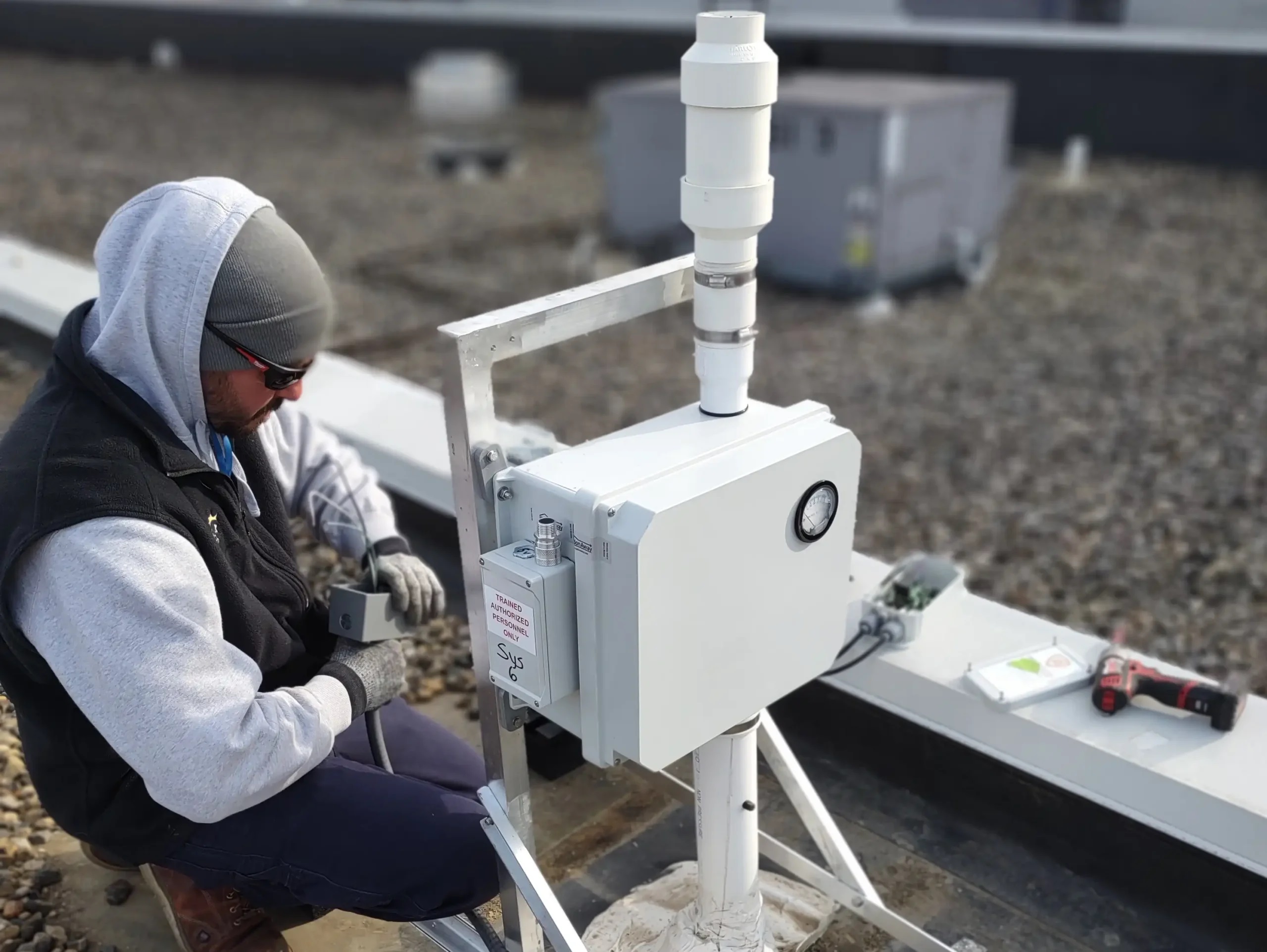
Environmental considerations are an important part of modern construction planning. Professional mitigation strategies help development teams incorporate responsible practices that support surrounding environments while maintaining project objectives and construction quality.
- Soil protection: Appropriate erosion control measures help maintain soil stability throughout construction activities.
- Water management: Effective drainage planning supports responsible water movement and site management.
- Dust control: Suitable preventive measures contribute to cleaner construction surroundings and improved working conditions.
- Waste management: Organized material handling encourages recycling, reuse, and efficient disposal practices.
- Pollution prevention: Thoughtful planning helps reduce unnecessary environmental impacts during development.
Safety Planning Encourages Efficient Project Execution
A well-organized construction environment supports workforce confidence and productive operations. Professional mitigation planning incorporates safety considerations into project activities, helping teams maintain suitable working conditions while encouraging consistent progress.
- Workplace assessments: Regular evaluations help identify opportunities to improve construction site safety.
- Protective measures: Appropriate safety equipment and procedures support workforce well-being.
- Equipment management: Proper inspection and maintenance encourage dependable machinery performance.
- Clear communication: Sharing safety information helps workers understand responsibilities and expectations.
- Emergency preparedness: Organized response arrangements support confidence when unexpected situations arise.
Effective Coordination Improves Project Performance
Successful development requires cooperation between contractors, engineers, planners, and other construction professionals. Mitigation planning creates a shared framework that supports communication, resource management, and timely decision-making throughout different project stages.
- Progress monitoring: Regular reviews help teams maintain alignment with project objectives.
- Schedule management: Realistic timelines encourage organized construction activities.
- Budget awareness: Careful financial planning supports responsible resource utilization.
- Quality assurance: Consistent evaluations help maintain construction standards.
- Adaptable strategies: Flexible planning allows teams to respond effectively to changing project requirements.
Long-Term Planning Creates Sustainable Construction Value
Professional mitigation planning contributes to stronger project foundations by combining environmental responsibility, workplace safety, and operational efficiency. Construction professionals can visit website resources to explore additional planning guidance and industry insights. With thoughtful preparation and effective coordination, development teams can achieve reliable outcomes, strengthen project quality, and create lasting value through successful construction project development.